Is IPTV Australia Better Than Traditional Television?
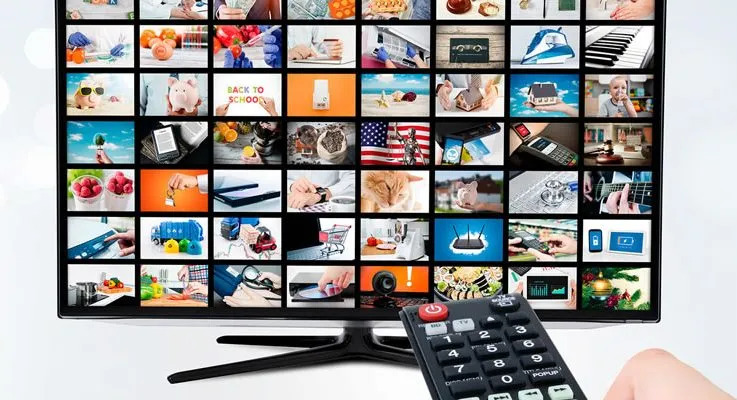
The way we watch television has changed significantly. Traditional television is still popular, but internet-based streaming has given viewers another option. IPTV Australia is one of the modern ways people can access television content through an internet connection.
But is IPTV actually better than traditional television?
The answer depends on what we value most. Some viewers may prefer IPTV because of its flexibility and device support, while others may prefer traditional television because of its simplicity and familiar setup.
In this guide, we compare both options in simple terms so we can understand their main differences.
IPTV Australia
IPTV Australia refers to television content delivered through an internet connection using Internet Protocol technology.
Traditional television generally uses broadcast, cable, or satellite delivery. IPTV uses an IP network to deliver available content to compatible devices.
Depending on the provider and its content rights, IPTV may offer:
- Live TV channels
- Sports
- Movies
- TV shows
- News
- Documentaries
- Kids' entertainment
- International channels
- Music
- Video on Demand (VOD)
The available content depends on the individual provider.
The main difference is the way content reaches the viewer. IPTV relies on an internet connection, while traditional television can use dedicated broadcast, cable, or satellite systems.
IPTV Subscription Australia
An IPTV subscription Australia gives users access to selected television content for a specific subscription period.
Different providers can offer different:
- Channel selections
- Video quality
- VOD libraries
- Device compatibility
- EPG features
- Simultaneous-stream limits
- Prices
- Subscription terms
Before choosing a subscription, we should check whether it includes the channels and features we actually need.
We should also choose a provider that has the appropriate rights to distribute its content.
How Traditional Television Works
Traditional television can be delivered through several methods, including terrestrial broadcasting, cable, and satellite.
Viewers usually receive channels through a television antenna, cable connection, or satellite equipment.
One advantage is that television viewing does not always depend on the same type of internet connection required by IPTV.
For people who want a straightforward television setup, traditional broadcasting can still be a practical choice.
How IPTV Works
IPTV sends television content through an IP network.
The basic process is:
Content source → Internet connection → IPTV service → Compatible application/device → Television screen
Because the content is delivered through the internet, users can potentially access it on different compatible devices.
This can provide more flexibility than a traditional television setup, depending on the service.
IPTV vs Traditional TV: Main Difference
The biggest difference is the delivery method.
Traditional television uses broadcast, cable, or satellite systems.
IPTV uses an internet connection.
This difference affects how viewers access content, what devices they can use, and how dependent they are on their home internet connection.
Flexibility and Convenience
One area where IPTV can have an advantage is flexibility.
Depending on the service and application, users may be able to watch available content on:
- Smart TVs
- Android TV devices
- Google TV devices
- Streaming devices
- Smartphones
- Tablets
- Computers
This can make IPTV convenient for households that use several screens.
Traditional television is often more closely connected to the television and the receiving equipment.
Channel Selection
Channel selection depends heavily on the provider.
Some IPTV services may offer a large number of channels, including Australian, international, entertainment, sports, and news programming where properly licensed.
Traditional television also provides a wide range of channels through broadcast and paid television services.
Rather than choosing based only on the total channel number, we should ask:
Does the service offer the channels we actually watch?
This is a more useful way to compare television services.
Video on Demand
VOD can be another important difference.
Some IPTV services offer Video on Demand, allowing viewers to select available movies and TV programs from a library.
Traditional television has historically focused more heavily on scheduled programming, although modern traditional TV services may also offer on-demand features.
For people who prefer choosing what to watch instead of following a schedule, VOD can be useful.
Electronic Program Guides
Both IPTV applications and traditional television services can provide program guides.
An Electronic Program Guide (EPG) can show:
- Current programs
- Upcoming programs
- Channel schedules
- Program times
- Program information
A good EPG makes live television easier to navigate.
Picture Quality
Both IPTV and traditional television can provide high-quality video.
Depending on the service, users may find:
- SD
- HD
- Full HD
- 4K
The actual quality depends on the content source, provider, equipment, and connection.
With IPTV, internet performance can also affect playback. A weak or unstable connection may cause buffering or quality changes.
Internet Dependency
This is one of the biggest disadvantages of IPTV.
Because IPTV uses the internet, the viewing experience can be affected by:
- Slow internet
- Weak Wi-Fi
- Network congestion
- Router problems
- High household data usage
Traditional broadcast television does not depend on home internet in the same way.
For viewers with unreliable internet, traditional television may therefore be more convenient.
Cost Comparison
Cost is another factor to consider.
An IPTV subscription may offer access to multiple types of content through one service, depending on the provider.
Traditional television costs can include:
- Television service fees
- Cable or satellite subscriptions
- Equipment
- Installation
- Additional channel packages
However, IPTV pricing also varies between providers, so we should compare the complete cost rather than assuming one option is always cheaper.
The best value depends on what channels and features we need.
Device Compatibility
IPTV can be attractive to viewers who want to use different devices.
Depending on the service, the same subscription may work with several compatible platforms, subject to account and simultaneous-stream rules.
Traditional television is generally designed around a television receiver and its associated equipment.
For households with multiple screens, IPTV may offer greater flexibility.
Ease of Setup
Traditional television can be simple once the equipment has been installed.
IPTV may also be easy to set up, especially on a compatible Smart TV.
A basic IPTV setup may involve:
- Connecting the device to the internet.
- Installing a supported application.
- Following the provider's instructions.
- Entering account information.
- Opening the available channels.
- Testing the service.
The exact setup depends on the provider and device.
Reliability
Reliability depends on the technology and equipment being used.
Traditional television can be affected by signal problems, equipment issues, weather in some delivery systems, or service outages.
IPTV can be affected by internet problems, application issues, provider outages, or network congestion.
For IPTV users, having a stable internet connection is especially important.
Sports Viewing
Sports fans often care about reliable live streaming.
Depending on authorized broadcasting rights, IPTV services may offer sports programming such as:
- AFL
- NRL
- Cricket
- Football
- Rugby
- Tennis
- Basketball
- Motorsport
Traditional television can also provide extensive sports coverage through free-to-air and paid television services.
We should always check the specific competitions and events included rather than assuming that every service offers every sport.
Movie and Entertainment Options
IPTV may provide live channels alongside VOD where available.
This can be useful for people who enjoy both scheduled television and on-demand entertainment.
Traditional television services can also provide movies and entertainment, particularly through paid packages and modern on-demand platforms.
The best choice depends on the content we want to watch most often.
Is IPTV Easier for Families?
IPTV can be convenient for families when multiple compatible devices and appropriate simultaneous streams are supported.
For example, one family member might watch television in the living room while another uses a supported device elsewhere.
However, the subscription must permit the required number of simultaneous streams.
Traditional television can also support multiple TVs, but additional equipment or subscriptions may sometimes be required.
Security and Privacy
When using any internet-based television service, we should consider basic online security.
Use reputable applications, keep devices updated, and avoid downloading software from suspicious sources.
We should also choose providers that clearly explain their services and subscription terms.
Content Licensing Matters
IPTV is a technology and is not automatically illegal.
The important question is whether a provider has the necessary rights or authorization to distribute the content it offers.
We should choose legitimate IPTV providers that are transparent about their content rights.
This is important when comparing IPTV with traditional television services because the source and authorization of content matter regardless of the delivery technology.
IPTV Advantages
IPTV can offer several potential advantages:
- Internet-based delivery
- Flexible device options
- VOD where available
- Easy access to different content categories
- EPG support
- Potentially broad channel selection
- Convenient Smart TV integration
The actual features depend on the provider.
IPTV Disadvantages
There are also potential disadvantages:
- Requires a reliable internet connection
- Performance can be affected by Wi-Fi
- Provider quality can vary
- Some applications may be difficult to use
- Subscription rules can differ
- Content availability depends on licensing
Understanding these limitations can help users make a realistic decision.
Traditional Television Advantages
Traditional television can still be a strong choice because it offers:
- Familiar viewing experience
- Less dependence on home internet for broadcast services
- Straightforward channel access
- Reliable access where signal coverage is strong
- Established television infrastructure
For viewers who prefer simplicity, traditional television can remain attractive.
Traditional Television Disadvantages
Traditional television can also have limitations:
- Less flexibility on some services
- Fixed schedules for live programming
- Additional equipment may be required
- Channel packages can increase costs
- On-demand features vary by provider
Modern traditional TV services have reduced some of these limitations, but the experience still differs from internet-based IPTV.
Which One Is Better?
There is no single answer for everyone.
IPTV may be better for us if we value flexibility, internet-based access, multiple compatible devices, and available VOD features.
Traditional television may be better if we want a familiar setup, simple channel access, and less dependence on our home internet connection.
Our choice should depend on our budget, internet quality, preferred channels, devices, and viewing habits.
IPTV vs Traditional TV Comparison
| Feature | IPTV | Traditional TV |
|---|---|---|
| Delivery | Internet | Broadcast, cable, or satellite |
| Internet Required | Yes | Not always |
| Smart TV Use | Often supported | Supported depending on service |
| VOD | Often available depending on provider | Available on many modern services |
| Device Flexibility | Often high | Depends on service |
| EPG | Often available | Common |
| Picture Quality | Depends on service and connection | Depends on service and signal |
| Buffering Risk | Possible with poor internet | Generally not internet-related for broadcast |
| Channel Selection | Depends on provider | Depends on service |
| Licensing | Provider must have appropriate rights | Established services have content agreements |
How to Choose Between IPTV and Traditional TV
Before making a decision, we should ask:
- How reliable is our internet connection?
- Which channels do we watch most?
- Do we need VOD?
- How many devices do we use?
- Do we watch sports regularly?
- What picture quality do we want?
- What is our monthly budget?
- Do we prefer a simple setup?
- Does the provider have proper content rights?
- Are the subscription terms clear?
These questions can make the decision much easier.
Conclusion
So, is IPTV Australia better than traditional television?
For some viewers, yes. IPTV can provide greater flexibility, internet-based access, support for multiple compatible devices, and VOD options where available.
For others, traditional television may remain the better choice because it can provide a familiar and straightforward viewing experience without relying on the home internet connection in the same way.
An IPTV subscription Australia is worth considering if flexibility and internet-based entertainment are important to us. However, we should compare providers carefully and check content selection, streaming quality, device support, pricing, customer service, subscription terms, internet requirements, and content licensing.
The best television option is ultimately the one that fits our viewing habits, budget, technology, and everyday needs.

About Premium Author
This post has been authored and published by one of our premium contributors, who are experts in their fields. They bring high-quality, well-researched content that adds significant value to our platform.


Popular Categories
Stay Connected
Recent Posts